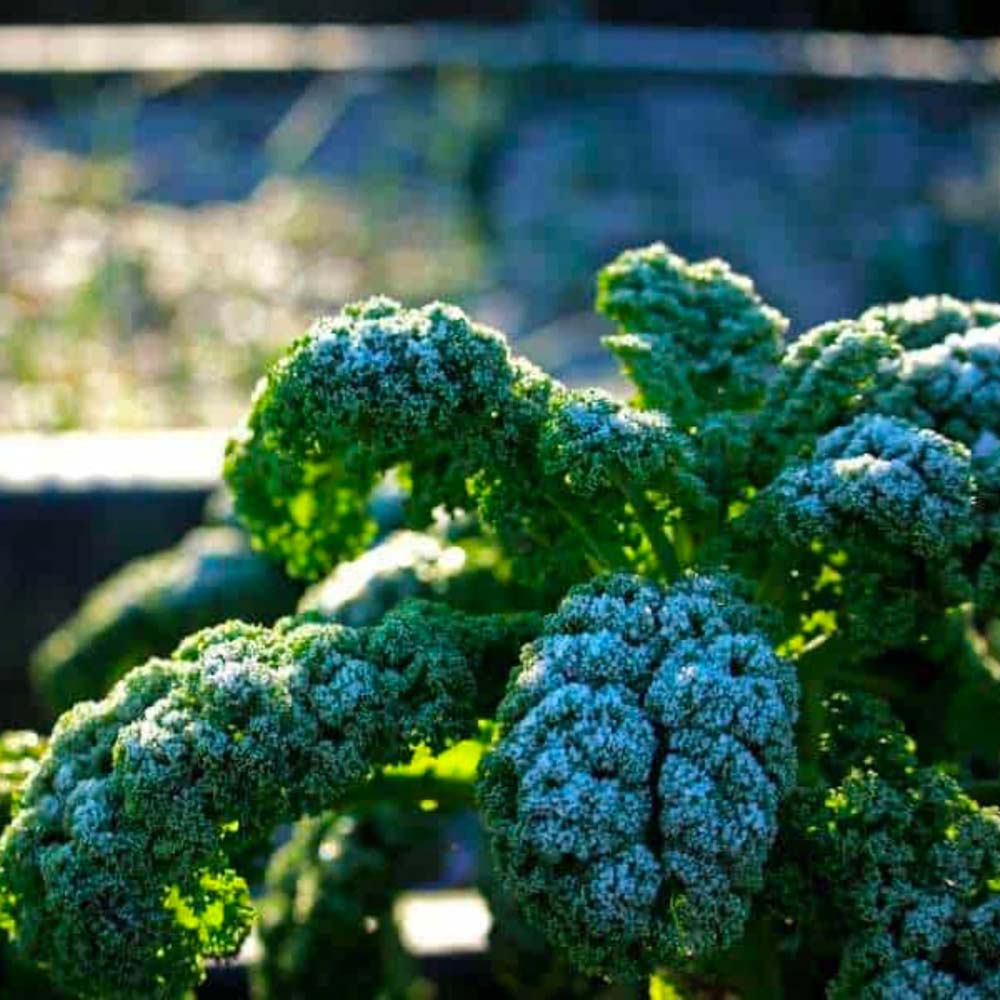
Why support your local farmers’ market
Farmer’s markets don’t just happen, it takes a whole community to build and sustain a thriving market like ours. We’d like to take a moment to thank you all from the bottom of our hearts for your continued support of our local farmers, ranchers, producers and makers.
Increasing food access
Nutritious food should be for everyone. It sustains our well-being and makes it possible for us to pursue happy, healthy lives. But nutritious food is not always available – or affordable – especially for the millions of American families in low-income neighborhoods, struggling daily to make ends meet. Due to cost and access, fresh fruits and vegetables are a luxury many Americans can’t spare to indulge.
But with affordable, competitive prices and special programs for low-income families, farmers markets are expanding access to fresh, healthy food in communities that need it most. Unlike supermarkets, with their beguiling aisles of soda, candy and potato chips, farmers markets put fruits and vegetables front and center and create a shopping environment where nutritious foods are not only affordable, they’re celebrated.

Supporting our local economy
Locally owned retailers, such as farmers markets, return more than three times as much of their sales to the local economy compared to chain competitors.
You are also supporting the farmer (and their family) who worked to grow the food. Supporting small scale farming protects and diversifies rural livelihoods and farmland.
Promoting sustainability
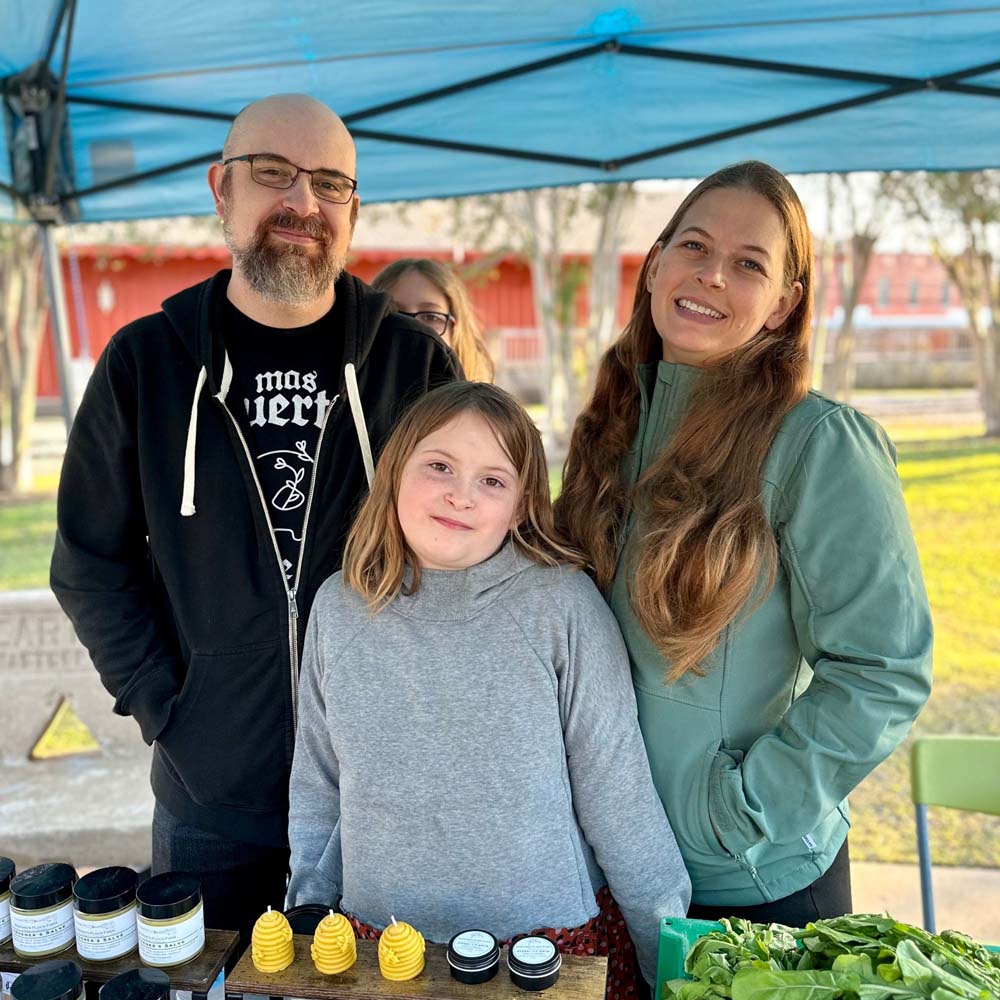
Behind the rows of produce, busy vendors, and eager customers, farmers markets are a bustling hub of sustainability. Local farmers deliver fresh, local food to a growing number of shoppers demanding food that is not only healthy, but environmentally friendly. But farmers markets take sustainability a step further. They also ensure farmers can make a living off sustainably grown food, while providing an outlet where communities can find and purchase their products.
Sustainability is the overarching theme in this system. Farmers engage in sustainable farming practices to produce healthy food to sustain the local community, who in turn provide the money necessary to sustain the farmers. Each shares in the success of the other in a mutually beneficial relationship that has become a model for sustainability.

Supporting a healthy community
Studies of farmers market shoppers reveal that 75% came to market to do more than shop, 55% felt the market increased their connection to community, 99% believed the market improves the health of the community, and 53% believed the market improves perceptions of the neighborhood.
A study by the Project for Public Spaces revealed that people who shop at farmers markets have 15-20 social interactions per visit, while they would only have one or two per visit to the grocery store. Evidence of the clear correlations between social interaction and health mean the social space at farmers markets has important public health implications.
Resilience in food security
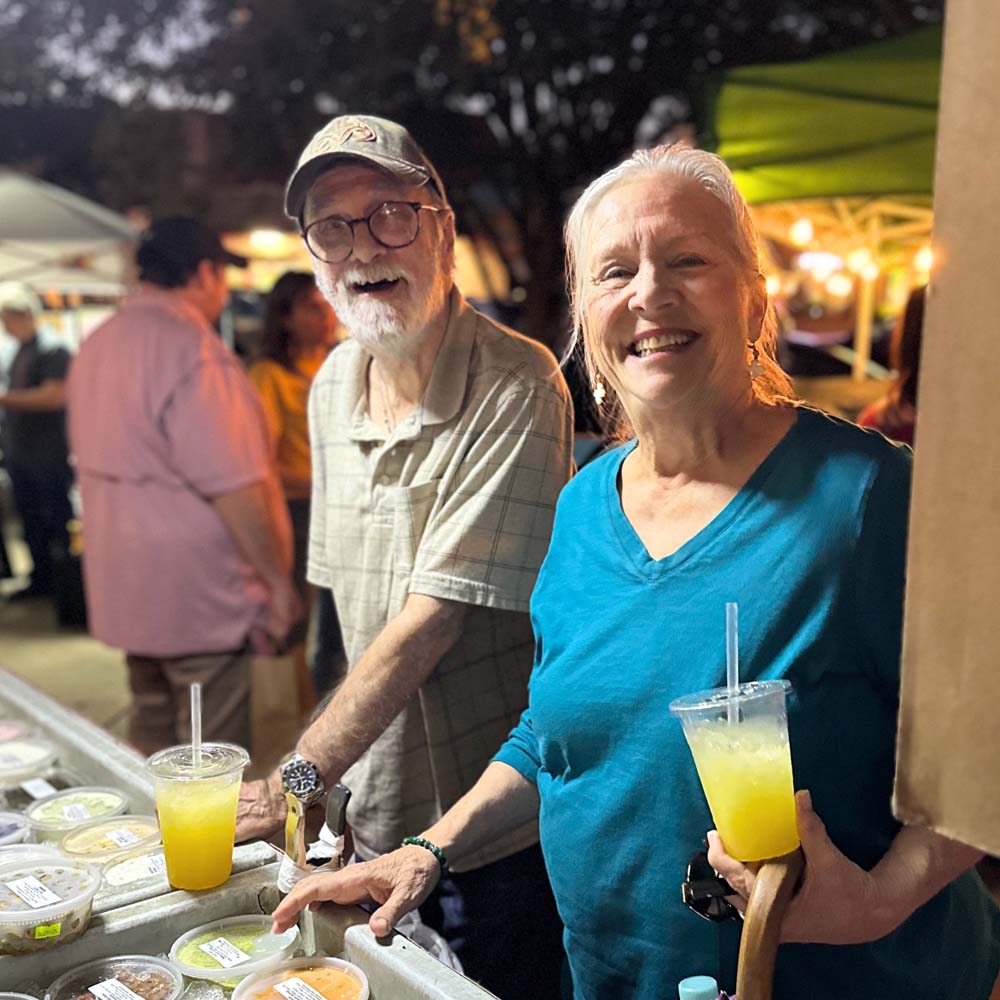
Farmers markets bolster food resilience by shortening supply chains, supporting local economies, and promoting access to fresh, diverse, and nutritious food. By connecting farmers directly with consumers, these markets reduce reliance on long, complex supply chains, minimizing transportation needs and potential disruptions. This localized approach also fosters economic opportunities for farmers, encourages sustainable agricultural practices, and strengthens community food security.